Housing Market

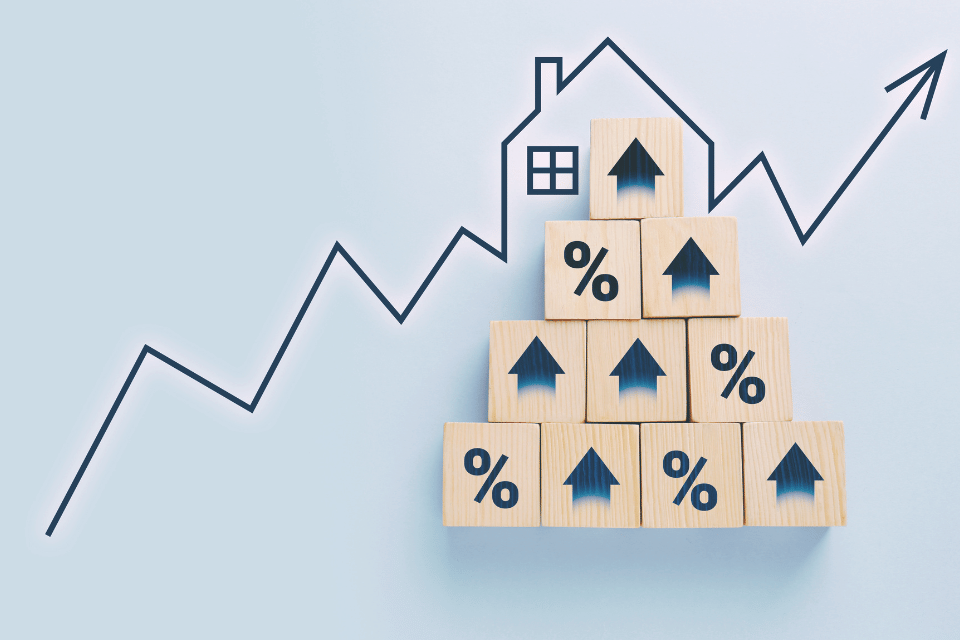
Image shows arrow with house shape above cubes with arrows and percent signs denoting mortgage rates

ARM Resets in 2027: How Much Will Mortgage Payments Rise?

More than 340,000 adjustable-rate mortgages (ARMs) are scheduled to reset in 2027 and 2028, with some homeowners facing monthly payment increases exceeding $1,000. While the national housing market impact may be limited, higher mortgage payments could strain household finances, reduce consumer spending, and increase delinquency risks among vulnerable borrowers.

ARM Resets in 2027: How Much Will Mortgage Payments Rise? Read More »
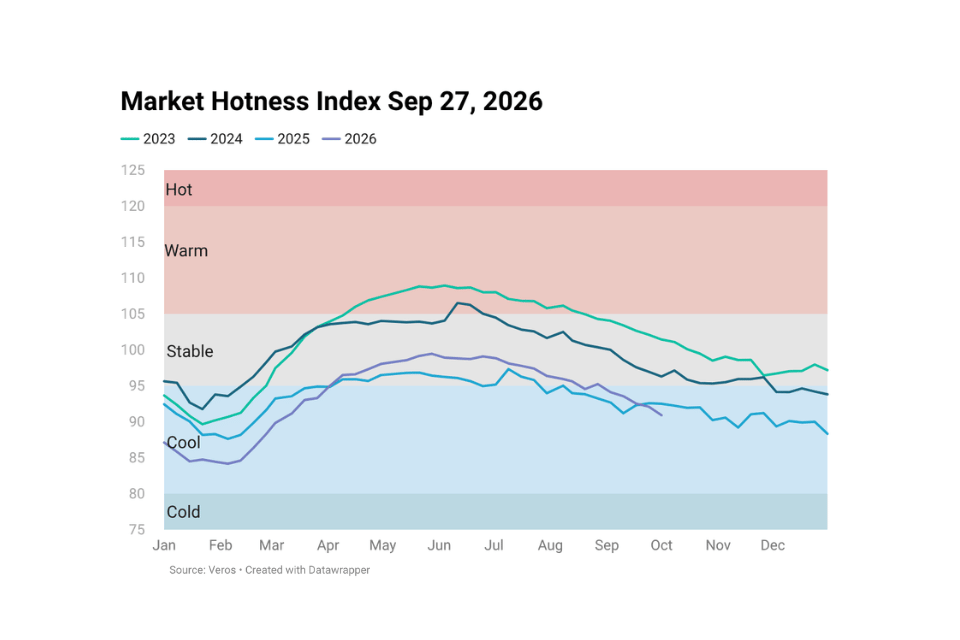
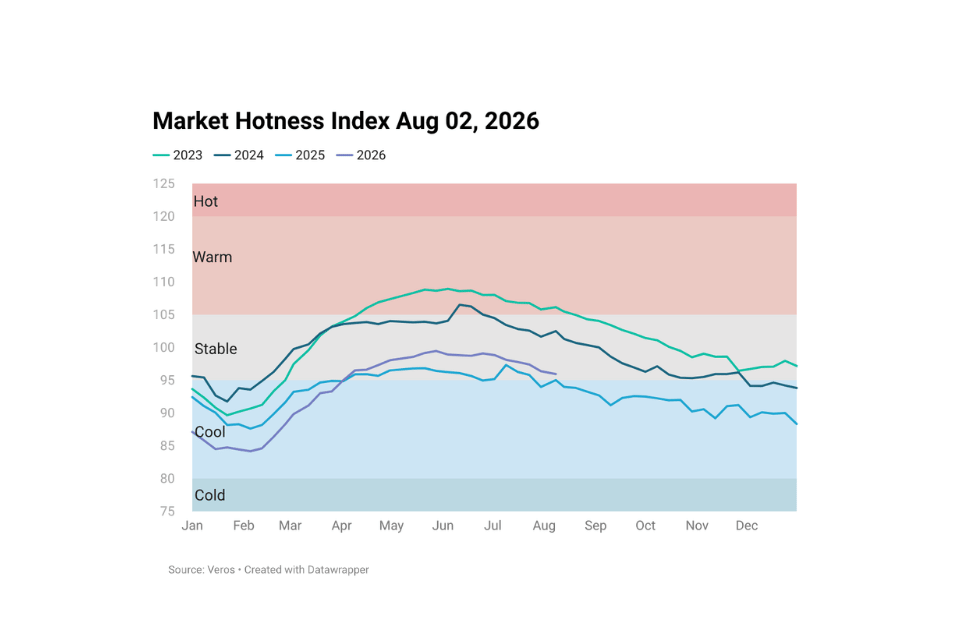
Line chart image showing Housing Market Hotness Index Sep 27, 2026

Mortgage Rates Are Above 7%, But Some Markets Are Still Hot

The U.S. Housing Market Hotness Index fell to 90.11 for the week ending September 27, 2026, as mortgage rates above 7% put renewed pressure on affordability and housing demand. Beneath the national slowdown, however, significant regional differences remain, with many Northeast and Midwest markets outperforming cooler markets across Texas and the Sun Belt.

Mortgage Rates Are Above 7%, But Some Markets Are Still Hot Read More »

Image shows a 3D illustration of 2026 witha housing icon

Mid-Year 2026 Housing Report: A Market Defined by Stability, Not Strength

The first half of 2026 began with optimism as falling mortgage rates raised expectations for a stronger housing market, but geopolitical events, and renewed inflation concerns quickly altered that outlook. Our mid-year housing report examines the trends shaping today’s market and what Veros’ latest VeroFORECAST suggests for home prices over the next 12 months.

Mid-Year 2026 Housing Report: A Market Defined by Stability, Not Strength Read More »

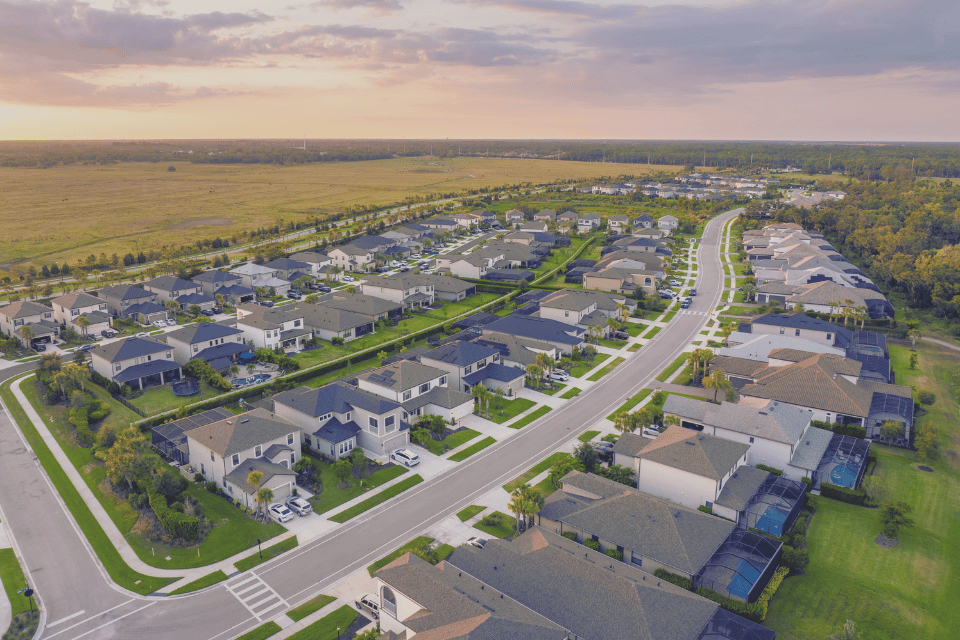
Image shows a neighborhood in southern Florida

The Pandemic Changed Home Sellers Forever

The housing market has changed fundamentally since the pandemic, not because homeowners have become more reluctant to negotiate, but because they have become far more financially secure. Record home equity, historically low mortgage rates, and higher moving costs have created a new generation of “optional sellers,” helping explain why delistings have increased and home prices have remained resilient despite slower sales.

The Pandemic Changed Home Sellers Forever Read More »

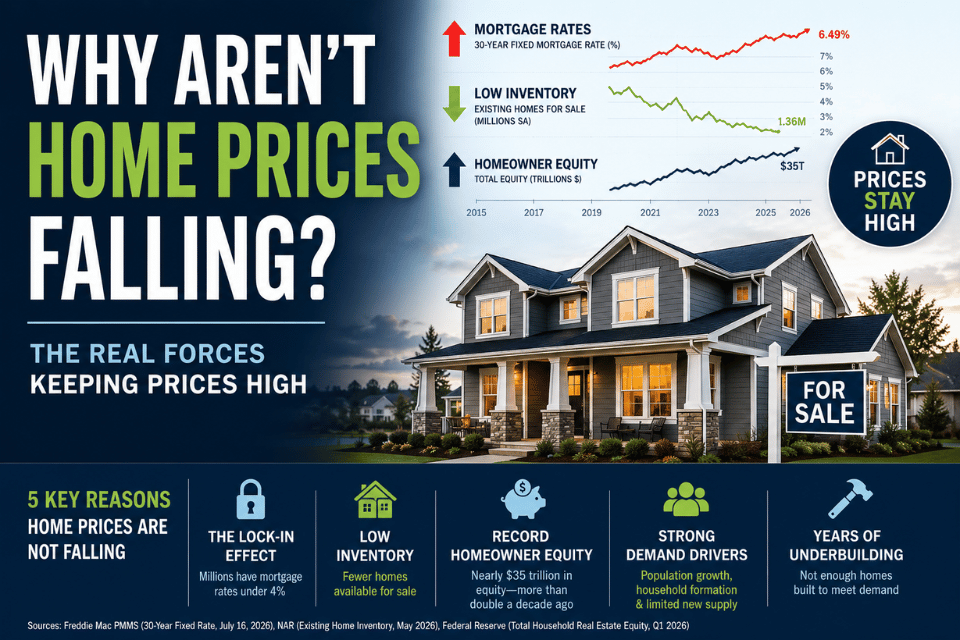
Chart showing why home prices remain high despite elevated mortgage rates

Why Home Prices Remain High Despite High Mortgage Rates

Many expected home prices to decline as mortgage rates climbed and affordability deteriorated, but today’s housing market is being shaped by an equally important shortage of homes for sale. Learn how low inventory, the mortgage lock-in effect, record homeowner equity, and years of underbuilding continue to keep home prices elevated despite slower sales activity.

Why Home Prices Remain High Despite High Mortgage Rates Read More »

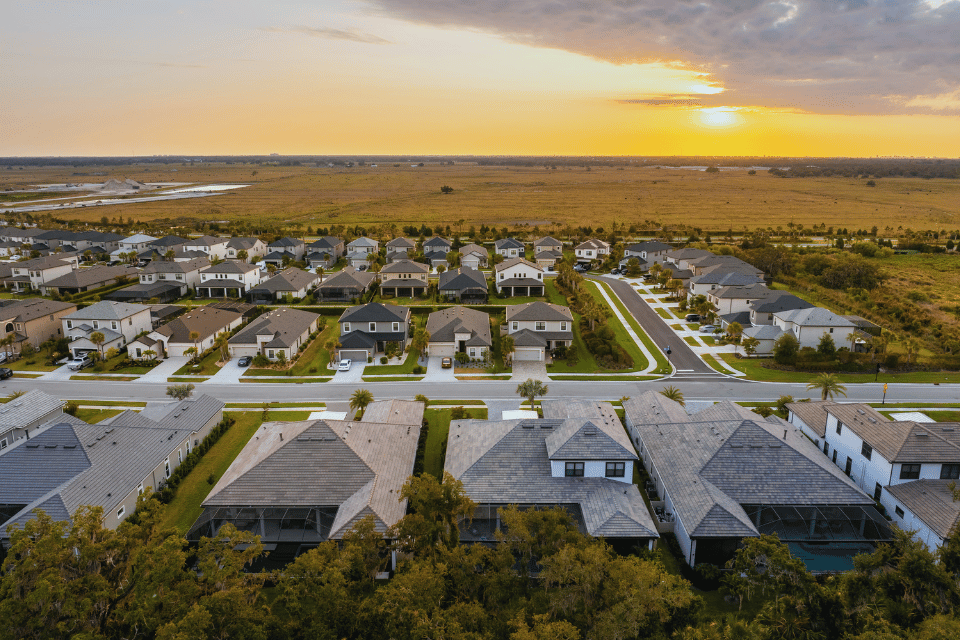
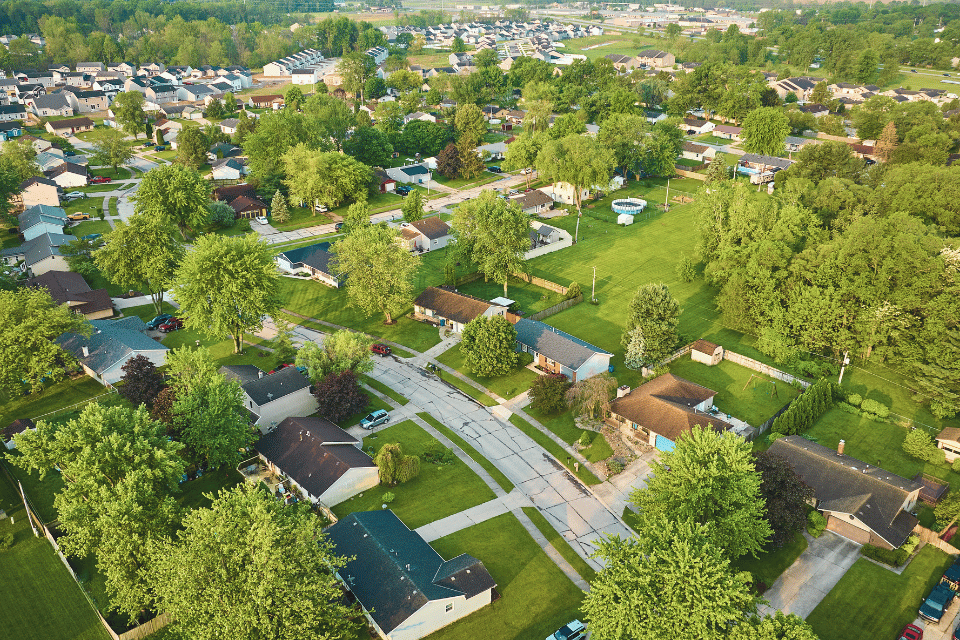
Image shows a suburban neighborhood

The Truth About Investors in Today’s Housing Market

The composition of investor activity in the U.S. housing market has shifted dramatically since the pandemic, with large institutional investors reducing acquisitions while smaller investors have become increasingly active. This article examines the latest investor trends, the impact of higher mortgage rates, and how new federal housing legislation could reshape investor participation in the years ahead.

The Truth About Investors in Today’s Housing Market Read More »

Scroll to Top